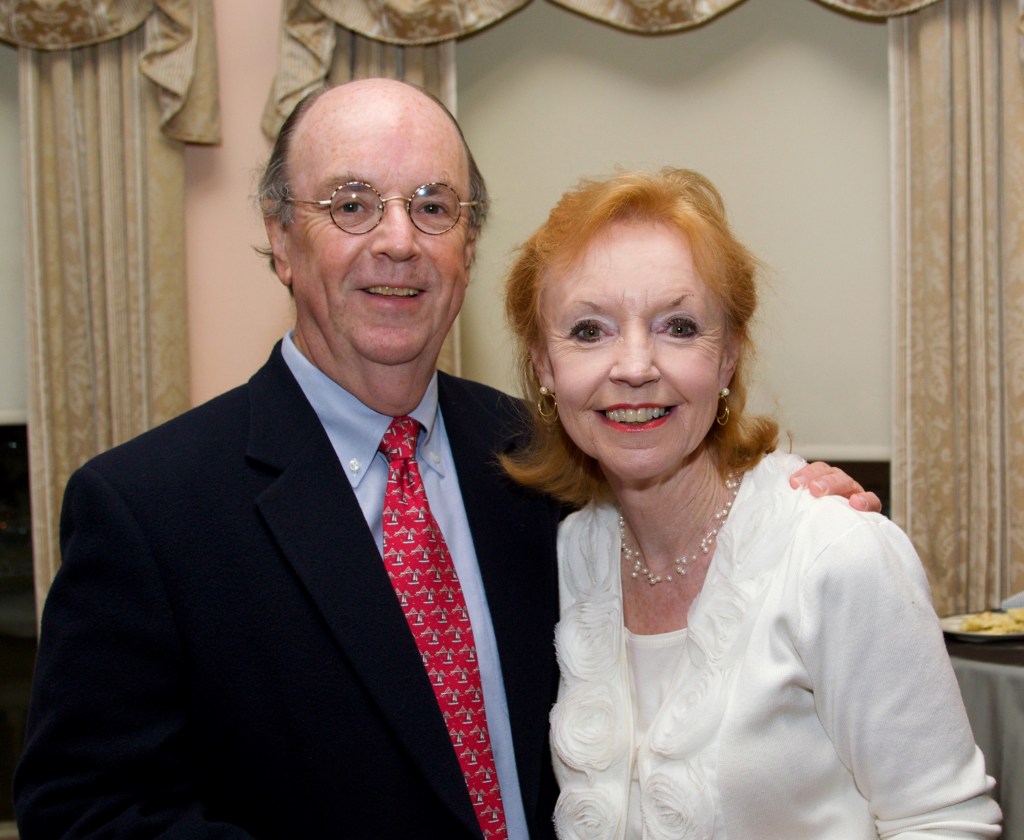
Born on this date – Mar. 18th

John Patrick Daley was born on this day in Providence, Rhode Island to the late Joan Louise (Riley) Daley (1929-2019) and the late Frederick “Nick” Daley (1927-1991). John’s paternal grandmother was the late Delia “Bridget” Calahan. A true woman of Eire, whose Irish lilt would make you smile, she would be very proud of her grandson. John’s maternal grandfather was the late Patrick J. Riley (1900-1985).

Along with his four siblings (Tammie, Maryanne, Lynne and Beth), John grew up in Pawtucket on Catherine Street, just off Columbus Avenue. He went to school in Pawtucket and graduated from Tolman High School. Even as a young boy and adolescent, John had the type of personality that, at a minimum, was outgoing and infectious. He has always had a cadre of friends. Everyone knew John and John knew everyone. To this day, John is still fast friends with many of his childhood buddies. All one has to do is sit with him at a ballgame anywhere in the Blackstone Valley, whether it be little league or a top flight high school game, and you’ll witness the constant flow of enthusiastic greetings and embraces from his many acquaintances and friends.
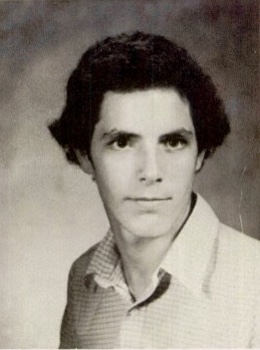
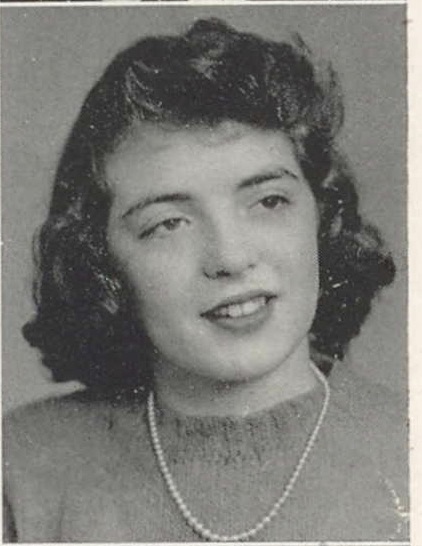
Tolman High School graduation picture

Being a Daley, he played baseball. Whether it be minor league, where most of the little guys paid more attention to the post game snacks than the baseball, or in a very good Darlington Little League, John played hard and played well.

A “Senior Little League” game played in Slater Park best illustrates John’s hard-nosed attitude and devotion to the game. I was sitting in the stands with his dad and his uncle, Dick Fleury. It was an ordinary game like so many before it, but it took a turn that caused it to be etched in my mind forever. John was behind the plate, handling the game and his pitcher with ease. At the time, John was maybe 5’6″ or 5’7″ with a skin-and-bones look that testified to his 120 pound physique. There was a runner on second, and then a hit to left. There would be a play at the plate. As the throw came in from left field, John straddled the plate. He moved up the baseline a foot or two to assume a defiant and defensive position that even Carlton Fisk or Jason Varitek would have admired. The throw from the outfield reached John’s catcher’s mitt a second or two before the baserunner lowered his 5’10” and 165 pound frame dead smack into Johnny’s mitt and chest! The resulting dramatic impact not only drew gasps and some expletive shouts, but it sent John flying up in the air and backwards towards the backstop. As the dirt flew and the dust settled, John could be seen laying still on the ground. His dad hopped the fence and was on his way to his motionless son, but at that moment John gave us a glimpse of that defiant attitude that has come to serve him well. He got to his knees, then stood up straight, dusted himself off and went back behind the plate to continue the game. It was great! He was great! The only thing missing was some loudspeaker blasting the theme from a “Rocky” movie. His uncle Dick, who had played some semi-pro softball himself as a catcher, said that he had never seen such a home plate collision. It might have been a knockdown, but John wouldn’t let it be a knockout.
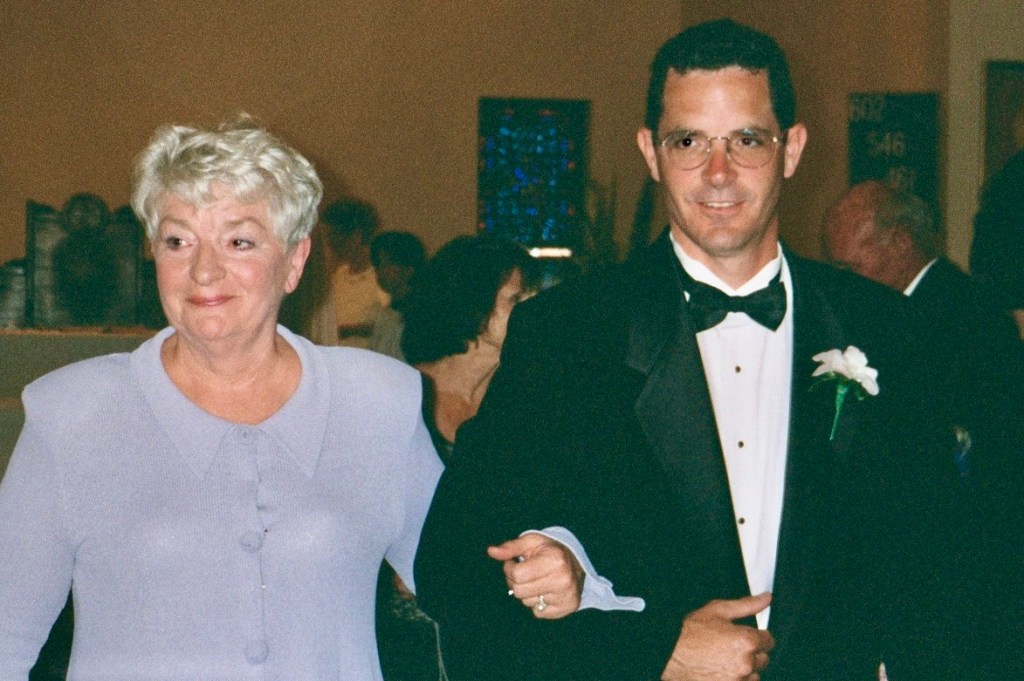

One of John’s best decisions in was marrying Debbie Troufield. On a very cold evening on December 21, 1997, John and Debbie began their married life together at the Grace Community Church in Seekonk, Massachusetts. John is very fortunate to have found a life partner with such kindness, grace and love for others. She is a gift.

John and Deb now have two sons, John Frederick called “Nick” and Patrick John. John was also stepfather to the late Joshua Troufield.

And of special note, John and Debbie have been fostering children in their Attleboro home for many years.
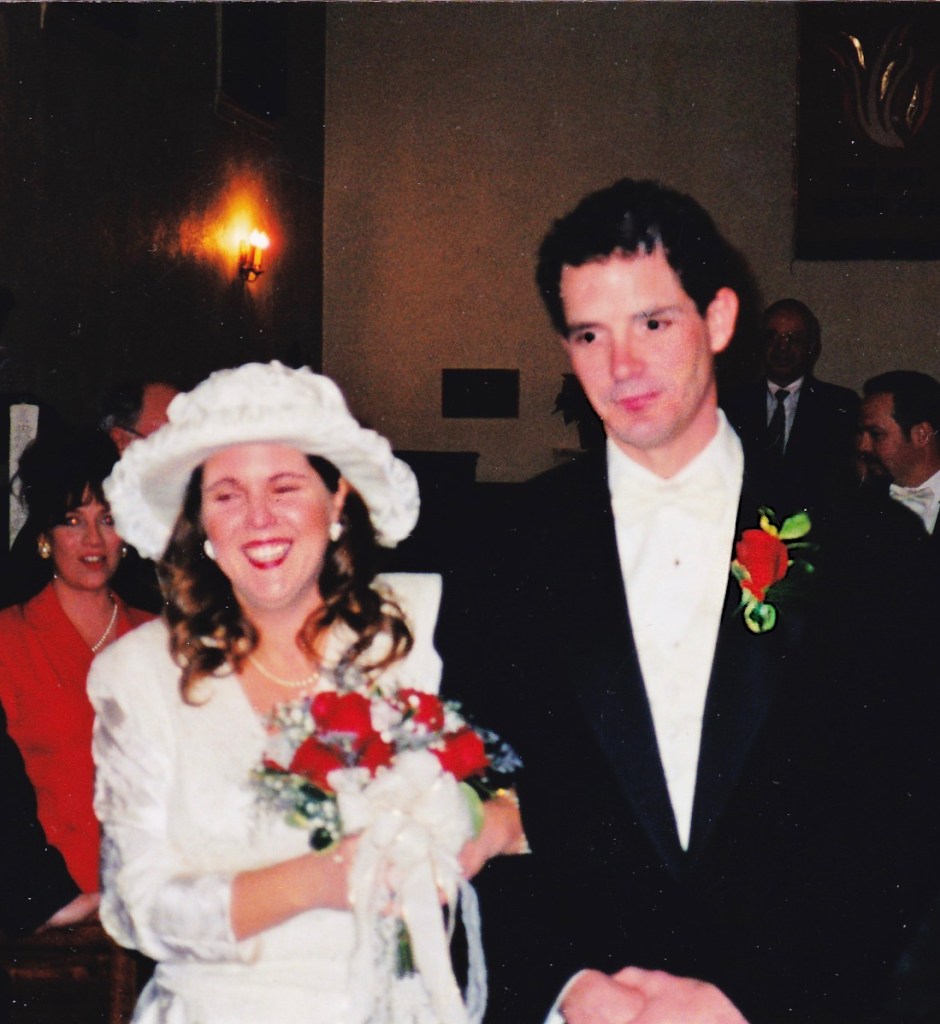
Debbie and John walking down the aisle 12/21/1997

Here’s to ya, Johnny. Happy Birthday and take two and hit to right.

How St. Patrick’s Day Was Made in America

MAR 17, 2019

The following is from a newsletter produced by the HISTORY CHANNEL

St. Patrick may be the patron saint of Ireland, but many St. Patrick’s Day traditions were born in the United States.CHRISTOPHER KLEIN

Every March 17, the United States becomes an emerald country for a day. Americans wear green clothes and quaff green beer. Green milkshakes, bagels and grits appear on menus. In a leprechaun-worthy shenanigan, Chicago even dyes its river green

Revelers from coast to coast celebrate all things Irish by hoisting pints of Guinness and cheering bagpipers, step dancers and marching bands parading through city streets. These familiar annual traditions weren’t imported from Ireland, however. They were made in America. 

St. Patrick's Day, circa 1860s. 
St. Patrick’s Day, circa 1860s. Bettmann Archive/Getty Images

In contrast to the merry-making in the United States, March 17 has been more holy day than holiday in Ireland. Since 1631, St. Patrick’s Day has been a religious feast day to commemorate the anniversary of the 5th-century death of the missionary credited with spreading Christianity to Ireland. For several centuries, March 17 was a day of solemnity in Ireland with Catholics attending church in the morning and partaking of modest feasts in the afternoon. There were no parades and certainly no emerald-tinted food products, particularly since blue, not green, was the traditional color associated with Ireland’s patron saint prior to the 1798 Irish Rebellion. 

READ MORE: St. Patrick’s Day Myths Debunked

Boston has long staked claim to the first St. Patrick’s Day celebration in the American colonies. On March 17, 1737, more than two dozen Presbyterians who emigrated from the north of Ireland gathered to honor St. Patrick and form the Charitable Irish Society to assist distressed Irishmen in the city. The oldest Irish organization in North America still holds an annual dinner every St. Patrick’s Day. 

Historian Michael Francis, however, unearthed evidence that St. Augustine, Florida, may have hosted America’s first St. Patrick’s Day celebration. While researching Spanish gunpowder expenditure logs, Francis found records that indicate cannon blasts or gunfire were used to honor the saint in 1600 and that residents of the Spanish garrison town processed through the streets in honor of St. Patrick the following year, perhaps at the behest of an Irish priest living there.

Ironically, it was a band of Redcoats who started the storied green tradition of America’s largest and longest St. Patrick’s Day parade in 1762 when Irish-born soldiers serving in the British Army marched through lower Manhattan to a St. Patrick’s Day breakfast at a local tavern. The March 17 parades by the Irish through the streets of New York City raised the ire of nativist, anti-Catholic mobs who started their own tradition of “paddy-making” on the eve of St. Patrick’s Day by erecting effigies of Irishmen wearing rags and necklaces of potatoes with whiskey bottles in their hands until the practice was banned in 1803. 

After Irish Catholics flooded into the country in the decade following the failure of Ireland’s potato crop in 1845, they clung to their Irish identities and took to the streets in St. Patrick’s Day parades to show strength in numbers as a political retort to nativist “Know-Nothings.” 

“Many who were forced to leave Ireland during the Great Hunger brought a lot of memories, but they didn’t have their country, so it was a celebration of being Irish,” says Mike McCormack, national historian for the Ancient Order of Hibernians. “But there was also a bit of defiance because of the bigotry by the Know-Nothings against them.” 

McCormack says attitudes toward the Irish began to soften after tens of thousands of them served in the Civil War. “They went out as second-class citizens but came back as heroes,” he says. As the Irish slowly assimilated into American culture, those without Celtic blood began to join in St. Patrick’s Day celebrations. 

The meal that became a St. Patrick’s Day staple across the country—corned beef and cabbage—was also an American innovation. While ham and cabbage was eaten in Ireland, corned beef proved a cheaper substitute for impoverished immigrants. McCormack says corned beef became a staple of Irish-Americans living in the slums of lower Manhattan who purchased leftover provisions from ships returning from the tea trade in China

“When ships came into South Street Seaport, many women would run down to the port hoping there was leftover salted beef they could get from the ship’s cook for a penny a pound,” McCormack says. “It was the cheapest meat they could find.” The Irish would boil the beef three times—the last time with cabbage—to remove some of the brine. 

A St. Patricks day postcard, circa 1850. 
A St. Patricks day postcard, circa 1850. Popperfoto/Getty Images

While St. Patrick’s Day evolved in the 20th century into a party day for Americans of all ethnicities, the celebration in Ireland remained solemn. The Connaught Telegraph reported of Ireland’s commemorations on March 17, 1952: “St. Patrick’s Day was very much like any other day, only duller.” For decades, Irish laws prohibited pubs from opening on holy days such as March 17. Until 1961, the only legal place to get a drink in the Irish capital on St. Patrick’s Day was the Royal Dublin Dog Show, which naturally attracted those with only a passing canine interest. 

The party atmosphere only spread to Ireland after the arrival of television when the Irish could see all the fun being had across the ocean. “Modern Ireland took a cue from America,” McCormack says. The multi-day St. Patrick’s Day Festival, launched in Dublin in 1996, now attracts one million people each year. 

The Irish are now adopting St. Patrick’s Day traditions from Irish America such as corned beef and cabbage, McCormack says. There are some American traditions, however, that might not catch on in Ireland, such as green Guinness. As McCormack says, “St. Patrick never drank green beer.”

BY CHRISTOPHER KLEIN is the author of four books, including When the Irish Invaded Canada: The Incredible True Story of the Civil War Veterans Who Fought for Ireland’s Freedomand Strong Boy: The Life and Times of John L. Sullivan. His work has appeared in numerous publications, including The Boston Globe, The New York Times, and National Geographic Traveler. Follow Chris on Twitter @historyauthor

Born on this date – Mar. 15th

Andrew Greenhalgh was born on this day in 1879 in Lonsdale, Rhode Island to the late Margaret Cullen (1848-1915) and the late John Greenhalgh (1845-1907).

This is the first time that a Greenhalgh has been featured in this blog. Why so? Well, one of Andrew’s five siblings was Marguetta E. (Greenhalgh) Riley (1876-1962), known by most of the older, present day Rileys as Grandma Riley.

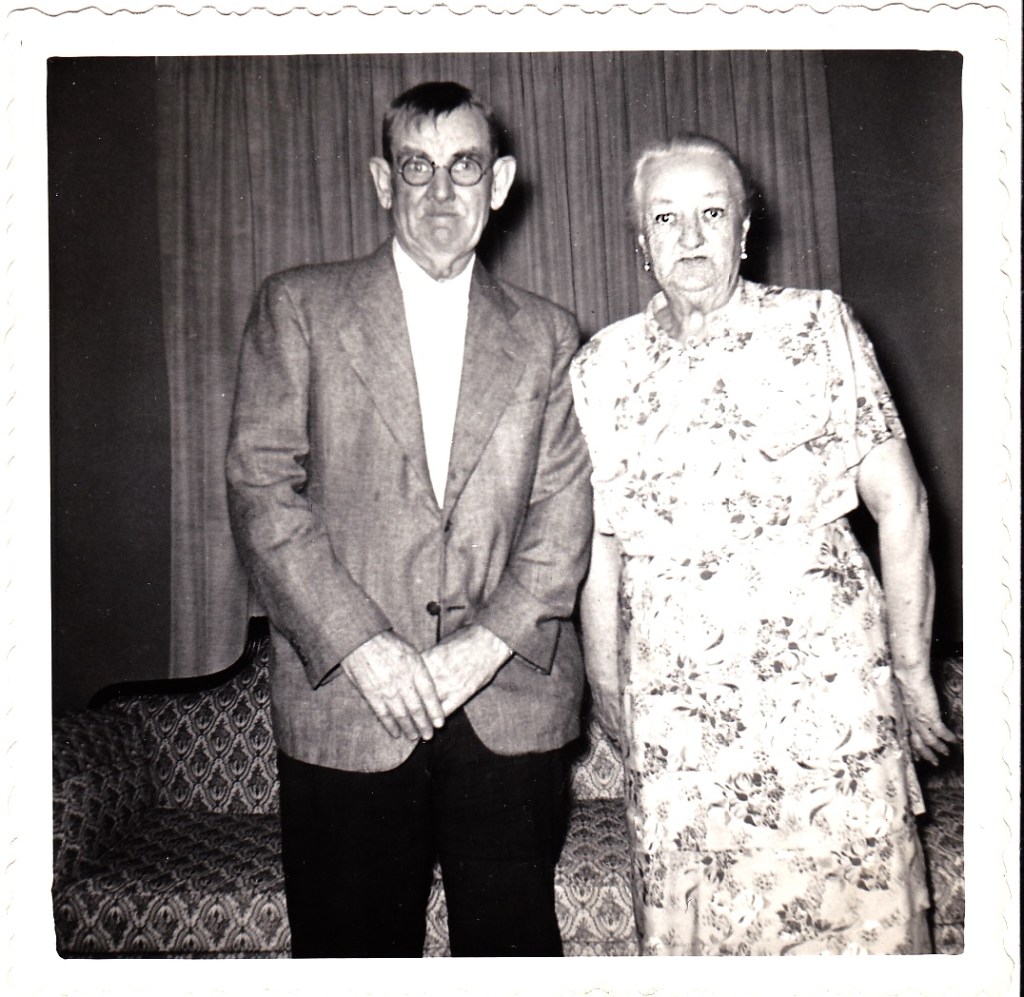
Uncle Andrew Greenhalgh and his sister, Marguetta E. Riley

As best as I can remember, Uncle Andrew was “a presence” at #19-21 Pond Street. After checking the census records and the city directories, it appears Uncle Andrew began living with the Pond Street Rileys sometime in 1935. He remained in-residence, and an integral part of the family, until his death in 1962.

However during World War II, Uncle Andrew spent time in Waterbury, Connecticut. At the age of 61, Andrew went there to work in a factory in support of the War effort. A printer by trade, he utilized those skills in his factory job. At the time, Andrew lived with his fellow workers in an open dormitory type setting at the Waterbury Boys’ Club.

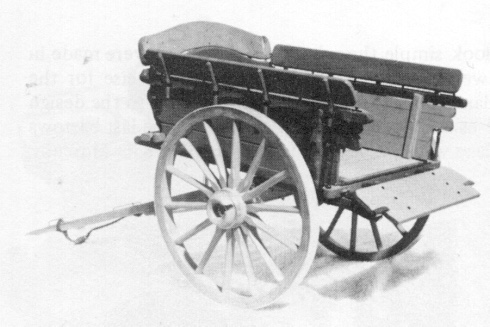
Back in the early 1940’s, working toward the War effort was the routine. What made Uncle Andrew’s effort noteworthy was his physical handicap. When he was a child, Andrew fell off the back of a tip cart

For those of you unfamiliar with what a tip cart looked like.

and severely injured his right leg, resulting in a permanent handicap. For the rest of his life, his leg was encased in a heavy metal brace that ran from just above his knee to the bottom of his shoe. It looked like it weighed a ton.

The brace may have slowed him down a bit, but didn’t stop him. Uncle Andrew’s prized possessions were his huge cars fully equipped with hand controls. If I remember correctly, he braked with his left leg, while the speed and shifting were controlled with hand levers. His automobiles always had lots of chrome and large, decorative continental kits hanging off the back. The cars had lots of color and personality, something that some say Uncle Andrew lacked.

When I was growing up, whenever there would be a reference to Andrew, the referring phrase would always be, “Poor Uncle Andrew.” It was said in obvious sympathy, because of the physical struggles he endured. Through the years, Grandma Riley, along with Marion and Gertie, really went to great lengths to support and encourage him. Being a printer by trade, and never owning his own business, his financial well-being wasn’t the best. He was supported and augmented financially by his nieces Marion and Gertie. It was very typical of his two kind nieces.

In 1962, on a Sunday morning, a couple of weeks after Uncle Andrew’s passing, the task of going through his belongings fell to his nephews, Patrick J. and Francis C. Riley. There weren’t many clothes and just a few personal items. At the foot of his bed was an old trunk, which his two nephews had to pry open with a hammer and screwdriver. As they were sorting through the last of his worldly possessions, the sympathetic and endearing phrase of “Poor Uncle Andrew” took an unsuspected twist. Low and behold, the trunk held some neatly tied stacks of cash! Seems Poor Uncle Andrew had been stashing away cash for a rainy day – or year. The exact amount may have been north of $30,000. The then, laughing brothers turned the money back over to Marion and Gertie…heck, it was probably their own money.

Poor Uncle Andrew.

A Riley Flu Story

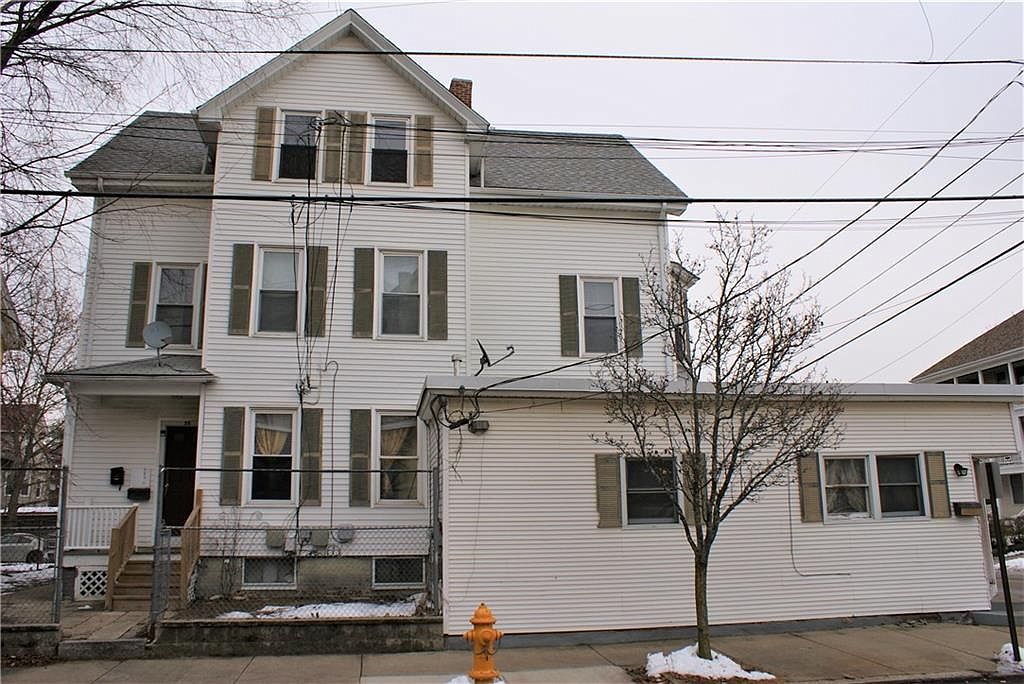
The year was 1918 and the Rileys, Marguette (1876-1962) and Patrick L. (1875-1955) and their seven kids were renting part of a three decker at #146 Pond Street in Pawtucket. It would be several years before they moved to the more familiar #19 Pond Street address.

The house at #146, which sits at the corner of Pond and Arch, is two blocks from present day McCoy Stadium. Back then, McCoy Stadium didn’t exist. It was just a swampy pond next to a grassy area. Some area residents grazed a cow or two on that grass. In fact, every morning, our Irish immigrant ancestor, Patrick Riley (1835-1906) led his cow from the backyard of his house at #181 South Bend Street over to that green patch. But, that’s another whole story which will be told in some other post.

Here is a present day photo of the house on 146 Pond Street :

Here’s how the story goes.

Summer was just about over, but there had not yet been a hint of the coming autumn chill. But for some, that autumn was never to arrive. The “Spanish flu” had taken hold and lots of people were falling ill, very ill.

My father, Patrick J. Riley (1900-1985) said he hadn’t felt well all day at work. At the time, he was an inventory clerk at US Finishing (see May 19th entry for photo). My father said when he got home from work that day, he went right up to his bed on the third floor. For the next five days, he battled the Spanish flu. It wasn’t until five or six days later that my father regained consciousness, when he heard people talking in the street right below his window. Mustering all his strength, he got up to see about the commotion. My father stuck his head out the window (before screens) and feebly waved to the guys down below. At the time, he didn’t realize why his friends were all grouped together. They were just about to knock on the door and pay their respects to his mother, because the word had gone out that “PJ” had died from the “Spanish Flu,” When the guys realized it was “PJ” who was waving from the window on the 3rd floor, they became excited and began to sing “For He’s a Jolly Good Fellow“.

Picture “PJ” Riley sticking his head out of the top 3rd floor window on the right.

My father told me that he didn’t realize all that happened until another three or four days had passed, when he began to recover form his near death experience.

When he went back to work at US Finishing, he didn’t get paid for a month. No sick leave back then, and they docked his next pay period to cover the cost of the person who replaced him while he was laid up.

I did a bit of research and read that between 2,000 – 2,500 Rhode Islanders died from that pandemic. Massachusetts was really hit hard with up to 45,000 deaths, many of those located in communities in and around the Fort Devens area.

Below is a link to the CDC timeline for 1918-1929 flu pandemic:

https://www.cdc.gov/flu/pandemic-resources/1918-commemoration/pandemic-timeline-1918.htm

Influenza, by Dr. Jerry Brown is an interesting read concerning the history and spread of that “Spanish Flu.” I read it about two years ago and thought it was a good read even then.

Born on this date – March 4th

Joan Louise (Riley) Daley was born on this day in 1929 in the City of Pawtucket to the late Margaret Cecelia McSally Riley (1900-1938) and the late Patrick J. Riley (1900-1985). Her maternal grandparents were the late Margaret A. (Corbishley) McSally (1877-1940) and James A. McSally (1875-1928). On Joan’s paternal side, her grandmother was Marguetta E. (Greenhalgh) Riley (1976-1962) and Patrick Leo Riley (1875-1955).

Joan, the second born of Margaret and Patrick, lived her life in Pawtucket.

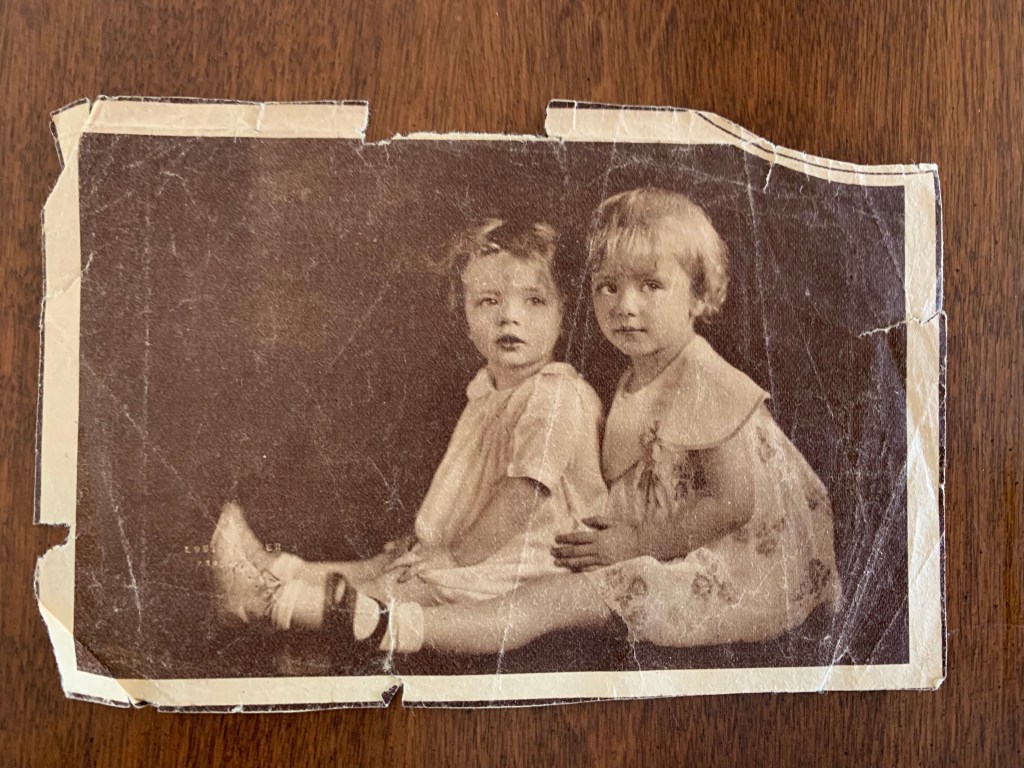
Joanie and her “older sister’ Barbara

When Joan was only eight years old, she and her three siblings lost their mother to cancer. Joan was probably a 2nd grader when her mother passed.

After attending J.C. Potter Elementary School, Lyman Goff Junior High School and graduating from Tolman High School in 1946, Joan began her working career.

Joan’s high school graduation picture

One of her first positions was with Pinault’s Pharmacy, on the corner of Armistice and Newport Avenues. Joan, along with her older sister Barbara, worked all the counters, except for the one that sold liquor.

After a while, Joan became a “telephone operator” with NET & T (New England Telephone and Telegraph). It was a coveted position, which Joan held for some time. Later on in her working career, she was a supervisor in a newspaper distribution company. Joan was a long-time teacher’s aide for the Pawtucket School Department, working along side her sister-in-law Kathy Riley.

It was on November 9, 1952 that Joan Louise Riley married Frederick “Nick” A. Daley (1927-1991) in St. Leo’s Church in Pawtucket, RI. The reception was held at Joan’s home, 37 Perrin Avenue, Pawtucket. The administrator of this blog can still remember what a great time that was, and the desserts were the best!

Joan and Nick brought six children into the world: Fred (1957-1957), Tammie, Maryanne, John, Lynne and Elizabeth. When Joan left us on June 29, 2019, this Daley family had grown to include 11 grandchildren.

Don’t know if there was ever a more loyal Red Sox fan than Joan. God forbid if you told her you were a Yankee fan! Pretty sure she has already had many a conversation with all the Red Sox players who somehow have managed to make it into heaven.

Happy Birthday Joan and go Sox!


Born on this date – March 3rd

Dennis Patrick J. Riley was born on this day in Providence, Rhode Island to the late Margaret F. (Bartley) Riley (1911-1978) and the late Patrick J. Riley (1900-1985). His great grandfather, Patrick Leo Riley (1875-1955), was a first-generation American, which makes Dennis a third-generation American.

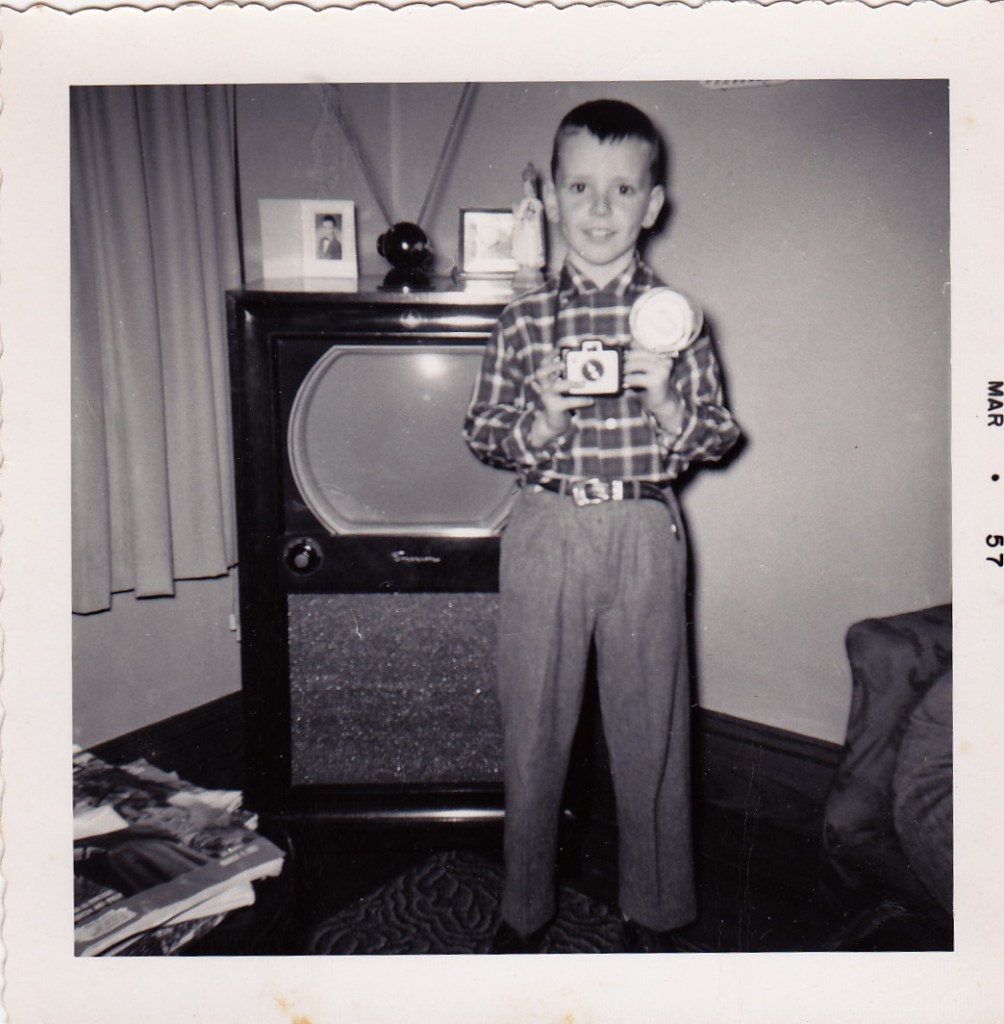
First camera 63 years ago today

Benefiting from growing up in the Darlington section of Pawtucket and having twelve years of Catholic school education, Dennis’s life went relatively smoothly. Not too much to report, other than being blessed with great parents and having two wonderful sisters (Barbara & Joan) and two tempestuous brothers (Bill & Jim) whom had already reached adulthood by the time he was born, thereby allowing him to be spoiled to the enth degree! He thoroughly enjoyed every minute of it.

Taken at home 37 Perrin Ave, Pawtucket

Blessed to be married to Kathleen Mary McLoughlin Riley and thank you to the Sisters of Mercy…

Here we are!

Born on this date – March 3rd

Ben Nelson was born on this day in Providence, Rhode Island to Lynne (Daley) Nelson and Russell Nelson. Ben’s grandmother was the late Joan (Riley) Daley (1929-2019) and his great grandfather was the late Patrick J. Riley (1900-1985).

Growing up in Middletown, Ben attended the local elementary and middle schools, and is now enrolled in Middletown High School. Having a good mixture of both Riley and Daley genes, so naturally… Ben plays baseball. Blessed with great speed and quick hands, Ben patrols second base for Middletown’s High School Varsity team and was 2nd Team All-State last year!

Here is Ben pictured with his late grandmother Joan. She never missed a game.

Here’s wishing Ben a great baseball season and a very, very Happy Birthday.

Born on this date – March 1st

Staci (Fleury) Ferreira was born on this date in Providence to Darleen (Fisher) Fleury and Richard “Rick” Fleury. Staci’s grandmother was the late Barbara (Riley) Fleury (1927-2015) and the late Richard “Dick” Fleury (1928-1992). Her great-grandfather was the late Patrick J. Riley (1900-1985).

Staci grew up in Bristol, Rhode Island and graduated from Our Lady of Fatima High School in Warren, RI. She went on to graduate from the University of Rhode Island.

In June of 2009, Staci married Michael Ferreira, also of Bristol, at Saint Catherine’s Church in Warwick, RI. Following their wedding, a very nice reception was held at the Ledgemont County Club in Seekonk, MA.

Staci and Michael have two boys, Zachary and Jacob. Here is a nice family picture of the Ferreiras:

In the Nation’s Capitol
Happy Birthday Staci. I’m sure the Ferreira boys are waiting on you hand and foot.